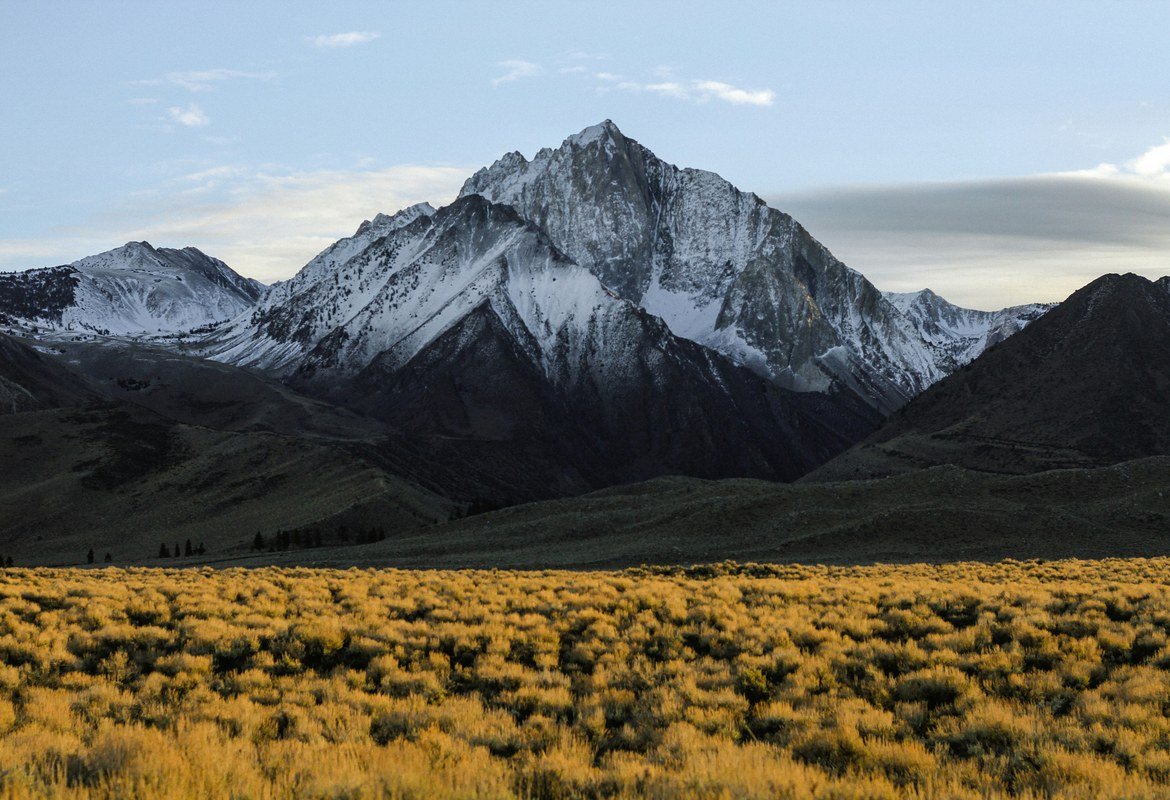




In the mountainous heart of central Japan, secluded beneath the shadowed cedar peaks of Nagano and Gifu prefectures, lies the timeless Kiso Valley. Here, carved into the granite rock and winding through moss-covered bamboo forests, rests the Nakasendo Trail—literally the “Central Mountain Road.” During Japan’s feudal Edo period (1603–1868), this 534-kilometer highway served as one of the Five Great Routes (Gokaido) established by the Tokugawa Shogunate to link the imperial capital of Kyoto with the military shogun stronghold of Edo (modern-day Tokyo).
While the coastal Tokaido Road was faster, it was plagued by perilous ocean winds, river floods, and heavy military checkpoints. The Nakasendo offered a safe, serene overland passage through the mountains, traversed by feudal daimyos with their samurai retinues, traveling poets like Matsuo Basho, merchants, and imperial princesses. Today, walking the preserved post towns of the Kiso Valley—most notably Magome, Tsumago, and Narai—offers an extraordinary journey into living Japanese history, traditional ryokan hospitality, and deep forest mindfulness. This comprehensive cultural guide explores the history, trail geography, traditional etiquette, and practical hiking logistics of the Nakasendo.
1. The Feudal Architecture of the Nakasendo Way
To enforce political stability over a newly unified Japan, the Tokugawa Shogunate instituted the Sankin-kotai (alternate attendance) system. Feudal lords (daimyos) were legally mandated to spend every alternate year residing in Edo under the watchful eye of the Shogun, leaving their families behind as political hostages. When traveling between their regional domains and Edo, these lords moved in elaborate, ceremonial processions consisting of hundreds of samurai bodyguards, archers, and servants.
To support this continuous aristocratic movement, the Shogunate established 69 official Post Towns (Jukueki) along the Nakasendo. Each post town served as an organized staging hub, providing fresh messenger horses, government messenger relays, customs checkpoints, and graded lodging:
- Honjin: The most luxurious, prestigious inn in the post town, reserved exclusively for visiting feudal lords, court nobles, and imperial dignitaries.
- Waki-honjin: The secondary aristocratic inn, accommodating senior samurai retainers when the main Honjin was occupied.
- Hatago: Commercial wooden inns catering to ordinary travelers, merchants, wandering monks, and pilgrims.
- Kosatsuba: The central wooden bulletin board erected in the village square where official Shogunate edicts, bans on Christianity, and crime bounties were posted.
| Post Town (Juku) | Prefecture / Region | Historical Identity | Key Architectural Highlight |
|---|---|---|---|
| Magome-juku | Gifu Prefecture | Steep hillside post town; birthplace of author Toson Shimazaki | Stone-paved mountain street, historic waterwheels, scenic mountain overlook |
| Tsumago-juku | Nagano Prefecture | Japan’s first preservation district; zero modern cables or vehicles | Authentic dark wooden lattice facades, preserved Waki-honjin Okuya inn |
| Narai-juku | Nagano Prefecture | “Narai of a Thousand Houses”; the richest town before Torii Pass | Kilometer-long row of Edo-period merchant houses, lacquerware craft shops |
| Kiso-Fukushima | Nagano Prefecture | Site of the formidable Fukushima Barrier Checkpoint (Sekisho) | Preserved customs gate, riverside footbaths, historic samurai villas |
2. Walking the Iconic Magome to Tsumago Section
The most famous and beautifully preserved walking segment of the Nakasendo connects the hill town of Magome with the historic village of Tsumago. Spanning approximately 8 kilometers (5 miles) and taking roughly 2.5 to 3.5 hours of moderate hiking, this trail leads walkers over the 801-meter Magome Pass through towering Japanese cedar groves, terraced farmland, and rushing mountain streams.
Trail Description and Highlights
- Departing Magome: The trail ascends steeply out of Magome’s cobblestone main street, climbing past rustic teahouses and orchards before reaching the summit of Magome Pass.
- Tateba Tea House: Descending the northern side of the pass, hikers reach a 300-year-old preserved rest house where volunteer local caretakers serve steaming cups of green tea to weary travelers over a central open charcoal hearth (irori).
- Otoko-daki and Onna-daki (Male and Female Waterfalls): A short woodland detour leads to twin waterfalls tumbling into a mossy granite basin, celebrated in Japanese folklore as a romantic sanctuary where legendary swordsman Miyamoto Musashi once meditated.
- Entering Tsumago: The forest opens into the quiet, dark-timbered street of Tsumago, where power lines were buried underground and neon signs strictly banned by citizen pact in 1968 under the motto: “Do not sell, do not hire out, and do not destroy.”
The Tradition of Bear Bells (Kuma-yoke no Suzu)
The pristine Kiso forests are home to native Asiatic black bears (tsukinowaguma). Along the trail, the local municipality has installed large bronze bells suspended from wooden posts every several hundred meters. Hikers are encouraged to ring each bell vigorously as they pass; the resonant chime alerts wildlife to human presence, prompting shy bears to retreat peacefully into the deep underbrush.
3. Ryokan Hospitality, Onsen Rituals, and Kaiseki Cuisine
The cultural culmination of hiking the Nakasendo is spending the night in a centuries-old traditional Japanese inn (ryokan or family-run minshuku). Living beneath timbered ceilings, sleeping on fragrant rice-straw tatami mats, and experiencing heartfelt Japanese hospitality (omotenashi) is an unforgettable cultural immersion.
The Sacred Onsen and Sento Protocol
After a demanding day of walking, soaking in a volcanic hot spring (onsen) or wood-fired bath is essential for physical rejuvenation. Observance of bathing etiquette is paramount:
- Remove all footwear at the ryokan entryway (genkan) and step into the provided indoor slippers.
- Before entering the communal hot soaking bath, sit on a small wooden stool in the washing area to scrub, soap, and rinse your entire body completely. The communal onsen water must remain completely soap-free and pristine.
- Tie up long hair, keep your modest modesty towel folded on your head, and lower yourself gently into the hot water. Never splash or submerge your head.
The Kaiseki Dining Experience
Evenings in a Kiso Valley ryokan center around an exquisite multi-course seasonal banquet (kaiseki) served in your tatami room. Featuring local alpine ingredients, the dinner highlights wild mountain vegetables (sansai), grilled sweet river trout (ayu) seasoned with rock salt, buckwheat soba noodles, succulent Shinshu wagyu beef, and sweet chestnut rice (kuri-gohan), honoring the natural flavors of the mountain seasons.
4. Practical Logistics: Luggage Forwarding, Seasons, and Rail Access
Hiking the Nakasendo is remarkably accessible thanks to Japan’s world-class public transportation and luggage forwarding infrastructure.
Same-Day Luggage Forwarding Service
Trekkers do not need to carry heavy backpacks over mountain passes. Between late March and November, the local tourist information centers in Magome and Tsumago operate a daily luggage transfer service. Drop your luggage off at the Magome Tourist Center before 11:30 AM, and it will be delivered safely to the Tsumago Information Center (or your booked local ryokan) by 1:00 PM for approximately 1,000 yen per piece, allowing you to walk the trail with only a light daypack.
Access via the JR Chuo Main Line
The Kiso Valley is linked to Nagoya and Tokyo via the JR Shinano Limited Express train along the Chuo Main Line. To reach Magome, take the train to Nakatsugawa Station (50 minutes from Nagoya), followed by a 20-minute local bus to Magome. To depart Tsumago, take a local bus or taxi to Nagiso Station to board the onward train toward Matsumoto or Nagano.
5. Traditional Kiso Woodcraft, Hinoki Cypress, and Local Gastronomy
The Kiso Valley’s cultural identity is deeply entwined with its ancient forests, particularly the sacred Kiso Hinoki cypress. During the feudal Edo period, the Owari Tokugawa clan enforced severe forestry conservation edicts under the harsh doctrine of “One head for one tree, one arm for one branch.” This strict protection preserved dense virgin cypress groves that supplied rot-resistant, aromatic timber for Japan’s most sacred Shinto shrines, including the Grand Shrine of Ise (Ise Jingu), which is ritually dismantled and rebuilt every 20 years using timber harvested from Kiso forests.
This woodworking legacy gave rise to exquisite regional artisan traditions that flourish along the post towns today. In Narai-juku, woodturners and artisans produce celebrated Kiso lacquerware (shunkei-nuri), intricate wooden combs (orokugushi), and hand-carved bento boxes crafted from aromatic cypress. Walking between post towns also provides an unforgettable culinary adventure: sample skewered grilled sticky-rice patties smothered in sweet walnut-miso paste (gohei-mochi), handmade Shinshu buckwheat soba served with fresh wasabi root, and Magome’s famous autumn delicacy, kuri-kinton (steamed sweet chestnut confections wrapped in traditional tea cloths).
Frequently Asked Questions (FAQs)
What is the best time of year to walk the Nakasendo Trail?
The optimal walking seasons are Spring (April to May) and Autumn (October to mid-November). Spring brings crisp mountain air, blooming cherry blossoms, and fresh green foliage. Autumn offers ideal, dry hiking weather with the forested slopes of the Kiso Valley ablaze in vibrant scarlet maples and golden ginkgo trees. Summers can be humid with occasional afternoon thunderstorms, while winters bring heavy alpine snow, transforming the post towns into quiet, white-roofed wonderland landscapes.
Can the Nakasendo Trail be completed in a single day?
Yes. The 8-kilometer Magome-to-Tsumago section can easily be completed as a day excursion from Nagoya or Matsumoto. However, staying overnight in a preserved wooden inn in Tsumago or Narai—experiencing the serene village streets after day-trip tourists depart and morning mist rolls off the mountains—is widely regarded as the most magical aspect of the trip.
Are credit cards accepted in the Kiso Valley post towns?
While larger ryokan and train stations accept major international credit cards, many small traditional craft shops, soba noodle eateries, luggage transfer desks, and family-run minshuku operate strictly on a cash-only basis. Be sure to withdraw sufficient Japanese Yen cash at 7-Eleven or Post Office ATMs before arriving in the Kiso Valley.
Is the trail physically demanding?
The Magome to Tsumago trail is considered moderate. It follows well-maintained stone paths, packed dirt forest trails, and occasional quiet rural asphalt lanes. The initial climb from Magome up to Magome Pass is moderately steep but manageable for anyone with basic walking fitness. Proper walking shoes or lightweight hiking boots with good traction are strongly recommended.
Final Assessment: A Walk Through Living Feudal Memory
Walking the Nakasendo Trail is not merely an outdoor hike; it is an intimate meditation on Japan’s cultural reverence for history, nature, and community preservation. By treading softly upon the mossy stone stones worn smooth by centuries of pilgrims and samurai, the modern traveler uncovers a profound sense of peace and connection with Japan’s eternal mountain heritage.