

loading

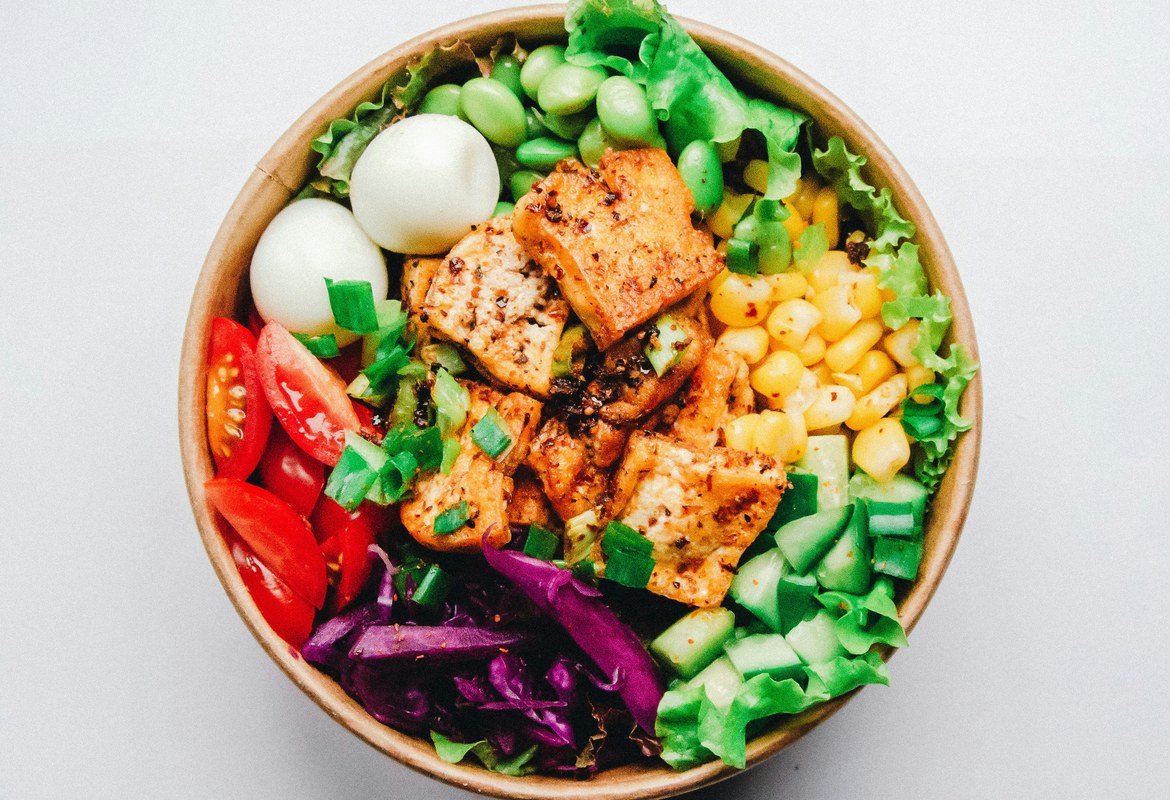
Strategic Meal Prepping for High Performance: Food Safety Microbiology, Borosilicate Ergonomics, and Modular Sauces

In modern professional life, the daily challenge of nutritional maintenance is one of the most persistent hurdles individuals face. After enduring ten hours of high-stakes corporate meetings, commuting, and family obligations, mental decision fatigue reaches peak exhaustion. When 7:00 PM arrives and the refrigerator sits barren, even the most health-conscious professionals succumb to the convenience of high-sodium takeout, ultra-processed delivery apps, or packaged frozen meals laden with industrial seed oils, refined sugars, and synthetic preservatives.

The antidote to nutritional chaos is not sudden willpower; it is operational logistics. Strategic Meal Prepping is the systems-engineering discipline of dedicating two focused hours over the weekend to systematically source, batch-cook, portion, and safely preserve an entire week of nutrient-dense, restaurant-quality meals. In this comprehensive masterclass, we explore the microbiology of food safety and pathogen prevention, demystify nutrient preservation under refrigeration and freezing, build a modular sauce architecture, and construct an efficient weekly culinary prep workflow.

1. Food Safety Microbiology: The Science of the Danger Zone

The greatest hurdle that derails aspiring meal preppers is either food spoilage or catastrophic foodborne illness. Preparing food for consumption five days later requires strict adherence to clinical food safety standards established by public health microbiologists.

The Critical Temperature Danger Zone

Microbial pathogens—such as Salmonella enterica, Staphylococcus aureus, Clostridium perfringens, and Bacillus cereus—proliferate with terrifying exponential speed between 40°F and 140°F (4°C to 60°C), termed the Temperature Danger Zone. Within this thermal window, bacterial populations can double every twenty minutes.

Food Safety Domain The Common Household Mistake The High-Performance Protocol Microbiological Rationale
Cooling Speed Placing a massive, deep steaming pot of stew directly into the fridge Spread food across shallow stainless steel sheet pans; cool to <40°F in under 2 hours Trapped core heat creates an incubation chamber for spore-forming anaerobic bacteria
Refrigeration Storage Duration Eating cooked chicken breast or seafood on Day 6 or Day 7 Refrigerate for a maximum of 3 to 4 days; freeze Days 5 through 7 on prep day Psychrotrophic bacteria (like Listeria monocytogenes) slowly multiply even at refrigeration temps
Reheating Protocol Lukewarm microwaving until food is tepid Reheat to a minimum internal temperature of 165°F (74°C) Thermal heat destroys vegetative bacterial cells and heat-labile enterotoxins
Cross-Contamination Prevention Wiping wooden cutting boards with a damp kitchen sponge Color-coded high-density polyethylene boards; sanitize with 70% isopropyl alcohol Eliminates bacterial transfer from raw poultry to ready-to-eat produce

The “Fried Rice Syndrome” (Bacillus cereus) Danger

Cooked grains—particularly white and brown rice—harbor heat-resistant endospores of Bacillus cereus. While boiling water kills active bacterial cells, the endospores survive. If cooked rice is left cooling at room temperature on a countertop for more than two hours, these spores germinate, proliferating and producing heat-stable emetic toxins that cannot be destroyed by subsequent reheating. Always portion hot rice into wide, shallow glass containers and chill immediately in the refrigerator.

2. Storage Vessel Ergonomics: Glass vs Plastic Chemistry

Never store your weekly meal prep in cheap, flimsy plastic takeout containers. The physical and chemical vessel that houses your food directly impacts flavor, shelf-life, and endocrine health.

The Borosilicate Glass Advantage

  • Chemical Inertness: Plastic containers contain plasticizers, bisphenols (BPA, BPS), and phthalates that leach into food, particularly when exposed to acidic sauces (tomatoes, vinegars) or subjected to microwave reheating. Borosilicate glass is completely non-reactive, non-porous, and chemically inert.
  • Thermal Shock Resistance: Borosilicate glass containers can transition directly from the freezer (-20°F) into a hot preheated oven (400°F) without shattering, enabling effortless baking and reheating.
  • Four-Latch Airtight Silicone Gaskets: Total oxygen exclusion is essential to retard lipid oxidation and prevent freezer burn. Invest in heavy-gauge glass containers featuring four-point snap-locking lids with removable, dishwasher-safe silicone seals.

3. The “Component Prep” vs “Complete Meal Prep” Philosophy

A fatal mistake that leads to “meal prep burnout” is cooking twenty identical plastic containers of chicken breast, broccoli, and brown rice on Sunday, and forcing yourself to eat that identical, increasingly soggy meal for five consecutive days. By Wednesday, palate fatigue triggers resentment, and the containers are abandoned in favor of restaurant takeout.

The Modular Component Method

Professional culinary directors utilize Component Prepping: batch-cooking versatile, neutral building blocks that can be mixed, matched, and recombined into completely distinct flavor profiles throughout the week:

  1. Two High-Quality Base Proteins: (e.g., 2 lbs of Mojo-marinated slow-roasted pork shoulder + 2 lbs of herb-roasted turkey meatballs).
  2. Two Complex Carbohydrates: (e.g., a batch of nutty tricolor quinoa + crispy herb-roasted baby Yukon gold potatoes).
  3. Two Roasted Sheet-Pan Vegetables: (e.g., caramelized cauliflower florets with turmeric + roasted asparagus and sweet bell peppers).
  4. One Crisp Raw Salad Element: (e.g., shredded red and green cabbage, shaved carrots, and thinly sliced scallions stored dry with a dry paper towel to absorb condensation).
  5. Three Distinct High-Flavor Modular Sauces: The transformative key that creates infinite variety.

4. The Sauce Architecture: The Secret to Zero Palate Fatigue

A meal is only as exciting as its sauce. By keeping your base proteins, grains, and vegetables relatively neutral in seasoning, you can completely transform identical ingredients into disparate global cuisines in sixty seconds by switching the sauce:

The 3 Universal Modular Sauces

  • 1. The Creamy Tahini-Lemon Garlic Sauce: Whisk 1/2 cup raw sesame tahini, 1/3 cup warm water, 3 tbsp fresh lemon juice, 2 grated garlic cloves, and sea salt. Transforms chicken and quinoa into a vibrant Mediterranean street bowl.
  • 2. The Spicy Thai Peanut Ginger Drizzle: Whisk 1/2 cup natural creamy peanut butter, 3 tbsp tamari, 2 tbsp lime juice, 1 tbsp pure maple syrup, 1 tbsp grated fresh ginger, and sriracha. Transforms identical chicken and cabbage into an intoxicating Southeast Asian noodle bowl.
  • 3. The Charred Chimichurri Herb Vinaigrette: Blend fresh flat-leaf parsley, fresh cilantro, minced shallot, crushed red pepper flakes, dried oregano, red wine vinegar, and extra virgin olive oil. Transforms roasted potatoes and meatballs into an Argentine steakhouse experience.

5. The 120-Minute Sunday Execution Blueprint

To execute your weekly meal prep without spending your entire Sunday trapped in the kitchen, operate with a synchronized assembly-line protocol:

  • 0:00 – 0:15 (Oven & Water Priming): Preheat the oven to 425°F (220°C). Bring a large pot of salted water to a boil. Line two heavy baking sheets with unbleached parchment paper.
  • 0:15 – 0:45 (Thermal Batching): Season and lay out chicken thighs and meatballs on Tray 1; toss chopped vegetables with olive oil and salt on Tray 2. Slide both trays into the oven. Drop whole grains into the boiling water, reduce to a simmer, and cover.
  • 0:45 – 1:15 (The Cutting Board & Sauce Sprint): While the oven and stove work autonomously, prep your crisp raw vegetables (shredding cabbage and carrots). Blend your three modular sauces in mason jars.
  • 1:15 – 1:40 (The Rapid Chill Phase): Pull the roasting trays and grains. Spread grains and roasted vegetables across shallow sheet pans to cool rapidly to room temperature, preventing the Danger Zone incubation trap.
  • 1:40 – 2:00 (Assembly & Kitchen Reset): Portion meals into glass containers. Freeze meals designated for Thursday and Friday; refrigerate meals for Monday through Wednesday. Wipe counters, run the dishwasher, and enjoy complete nutritional peace of mind for the next seven days.

6. Sous-Vide Batch Cooking: Precision Thermal Pasteurization

For home cooks seeking the ultimate combination of food safety, tenderness, and long shelf-life, integrating Sous-Vide (Precision Temperature Immersion) into weekly meal prep is a game-changer.

The Science of Low-Temperature Pasteurization

Traditional culinary guidelines mandate cooking poultry to an instantaneous internal temperature of 165°F (74°C) to kill Salmonella bacteria. However, bacterial lethality is a function of both temperature and time:

  • Holding chicken breast at 145°F (63°C) for 8.5 minutes achieves an identical 7-log10 reduction (99.99999% bacterial kill rate) as hitting 165°F instantly.
  • Cooking proteins vacuum-sealed in food-grade silicone or BPA-free bags inside a temperature-controlled water bath produces extraordinarily juicy, tender meat that never dries out.
  • Because the cooked protein remains sealed in its anaerobic, pasteurized vacuum pouch, it can be transferred directly into an ice bath to chill rapidly and stored in the refrigerator for up to 10 to 14 days without opening, dramatically extending meal prep shelf-life while maintaining immaculate food safety.

Frequently Asked Questions (FAQs)

How do you reheat prepped meals without making meat rubbery and dry?

When reheating in a microwave, add one tablespoon of water or a single ice cube on top of the food, and cover the container loosely with a paper towel or microwave-safe lid. The trapped steam re-hydrates the protein fibers, restoring tenderness and preventing moisture loss. Alternatively, reheat in a toaster oven at 350°F (175°C) for eight minutes for optimal texture.

Which vegetables hold up best for multi-day meal prep without getting soggy?

Hearty, fibrous vegetables perform magnificently across 4 to 5 days of refrigeration: broccoli, broccolini, cauliflower, Brussels sprouts, carrots, bell peppers, green beans, and roasted root vegetables (sweet potatoes, parsnips). Delicate watery vegetables—such as sliced cucumbers, raw tomatoes, and tender baby spinach—should be stored dry and added fresh at the moment of consumption.

Can you freeze cooked rice and grains safely?

Yes. Cooked quinoa, brown rice, farro, and lentils freeze exceptionally well. Allow them to cool completely, portion them into airtight freezer bags, press them flat to expel all air, and freeze. When ready to eat, reheat directly from frozen in the microwave with a splash of water for two minutes; they emerge with the exact texture of freshly steamed grains.

Final Takeaway: Logistics Equals Freedom

Nutritional excellence is not an elusive luxury reserved for those with private chefs; it is a predictable outcome achieved through operational kitchen systems. By respecting food safety microbiology, eliminating chemical plastic exposure with borosilicate glass, mastering modular sauce architecture, and executing a disciplined two-hour batch protocol, you liberate your week from mealtime stress and nourish your vitality with culinary mastery.

Global Street Food Heritage: Cultural Anthropology, Regional Micro-Cuisines, and Ancestral Preservation Techniques

To truly understand the soul of a culture, one must step away from luxury hotel dining rooms and air-conditioned restaurants and venture directly into the chaotic, vibrant street food alleyways of the world. Across the bustling night markets of Bangkok and Taipei, the smoke-filled taco stalls of Mexico City, the aromatic labyrinthine souks of Marrakech, and the vibrant chaat corners of Mumbai, street food represents the living cultural anthropology of human civilization.

Street food is not an informal commercial accident; it is the culinary distillation of centuries of historical migration, trade route encounters, economic ingenuity, and ancestral preservation techniques. When working-class culinary artisans are constrained by modest capital and portable cooking equipment, they engineer techniques of extraordinary efficiency, concentrating maximum flavor into portable, affordable culinary masterworks. In this comprehensive cultural exploration, we explore the anthropology of global street food, dissect iconic regional micro-cuisines, investigate ancient preservation methods, and celebrate the unsung street food masters preserving intangible cultural heritage.

1. The Anthropology of the Street Stall: The Kitchen of the Working Class

Historically, street food arose from acute urban economic realities. In ancient Rome, the working-class plebeian population lived in multi-story wooden apartment tenements known as insulae, which were strictly forbidden from housing open hearth fires due to catastrophic municipal fire hazards. Consequently, ordinary Romans relied entirely on street-side food stalls known as thermopolia—countertops embedded with terracotta vessels serving hot spiced wine, lentil stews, and roasted sausages.

The Economics of Street Gastronomy

Throughout industrialization across Asia, Latin America, and Africa, street food stalls served as the essential social safety net and caloric fuel for millions of factory workers, dockworkers, rickshaw drivers, and market laborers:

Regional Street Food Node Iconic Street Dish Historical Genesis / Socioeconomic Root Primary Thermal / Culinary Technique
Mexico City, Mexico Tacos al Pastor Lebanese Christian migration in 1930s (Shawarma trompo) meets indigenous pork & achiote Vertical rotational spit roasting over open flame; pineapple acid tenderization
Bangkok, Thailand Pad Kra Pao / Guay Tiew Chinese Teochew immigrant wok techniques fused with native bird’s eye chilies & holy basil High-heat “Wok Hei” (breath of the wok) flash searing
Mumbai, India Vada Pav Fast, carbohydrate-dense caloric fuel engineered for 1970s textile mill workers Deep-fried spiced potato fritter in besan batter nestled in soft pao with dry garlic chutney
Marrakech, Morocco Slow-Roasted Mechoui Berber communal pit cooking tradition dating back centuries Subterranean clay pit smoking over spent charcoal embers for 8 hours
Osaka, Japan Takoyaki Post-war economic ingenuity utilizing wheat rations and fresh Pacific octopus bits Hemispherical cast-iron dimple plate rotation utilizing dual metal skewers

2. Wok Hei: The Breath of the Dragon in Asian Street Food

In Cantonese cuisine, the ultimate hallmark of street food mastery is Wok Hei (鑊氣), literally translated as the “breath of the wok”. Wok hei is not merely high heat; it is an ephemeral, complex smoky, charred aroma that cannot be duplicated in standard home cooking.

The Physics of Aerosolized Oil Combustion

To produce authentic Wok Hei, street hawkers utilize specialized high-pressure cast-iron blast burners generating over 100,000 BTUs of thermal energy (compared to standard domestic stoves generating 9,000 to 15,000 BTUs). When the chef tosses the heavy carbon steel wok with rhythmic wrist snaps, three physical phenomena occur simultaneously:

  1. Microscopic oil droplets become airborne in the turbulent vortex above the rim of the wok.
  2. As these aerosolized oil droplets pass through the column of open flame rising from the burner, they undergo partial pyrolytic combustion, generating microscopic vaporized smoky flavor compounds.
  3. These vaporized compounds instantly condense back onto the surfaces of the rice, noodles, or proteins as they fall back into the scorching wok, infusing the dish with an unforgettable, intoxicating smoky complexity.

3. The Trompo and the Global Spice Trade Odyssey

No dish embodies the global migratory fusion of street food more vividly than Mexico’s beloved Tacos al Pastor. In the 1930s, thousands of Lebanese immigrants migrated to Puebla, Mexico, bringing with them their traditional Middle Eastern technique of stacking marinated lamb onto vertical rotating spits (shawarma).

The Mexican Culinary Metamorphosis

Mexican street taqueros brilliantly transformed the Lebanese shawarma through local cultural ingredients: replacing lamb with pork shoulder, marinating the meat in a vibrant paste of wild Mexican oregano, crushed achiote seed paste (annatto), garlic, and cider vinegar, and topping the vertical spit (the trompo) with a peeled fresh pineapple. As the trompo slowly rotates against radiant charcoal burners, enzymes in the dripping pineapple juices (bromelain) naturally tenderize the exterior meat, while the exterior pork fat crisps and caramelizes. With lightning dexterity, the taquero carves paper-thin crisped ribbons of pork directly into a warm, freshly pressed nixtamalized corn tortilla, flicks a sliver of roasted pineapple from the top of the trompo directly into the taco with their knife, and crowns the creation with cilantro, diced white onion, and fiery salsa verde.

4. Ancient Preservation Techniques in Street Food

Long before artificial mechanical refrigeration, street food vendors relied on ancient biotechnical preservation methods to maintain food safety and unlock profound flavor profiles: fermentation, salting, curing, acid pickling, and wood smoking.

The Nixtamalization Miracle of Mesoamerica

The foundation of all authentic Mexican street food—tacos, tlacoyos, sopes, and tamales—is nixtamalization, an ancient indigenous culinary process dating back over 3,500 years. Raw field corn is simmered and soaked overnight in an alkaline solution of water and culinary slaked lime (calcium hydroxide).

This alkaline chemical bath accomplishes three transformative outcomes: it dissolves the tough outer pericarp of the corn kernel; it physically frees bound niacin (Vitamin B3) and essential amino acids, eliminating the risk of pellagra; and it partially gelatinizes the starches, allowing the ground corn to form a pliable, cohesive dough (masa) that puffs gloriously on a blistering dry clay comal.

5. The Cultural Sanctity of Street Food Commons

Beyond caloric sustenance, street food serves as the great democratic equalizer of modern human society. At a premier street food stall, social hierarchies dissolve. Billionaire corporate executives, university students, construction workers, and grandmothers stand shoulder-to-shoulder, waiting patiently in the same humid queue for their turn at the counter.

In an era of creeping corporate homogenization, where identical chain fast-food franchises dominate international airports and city street corners, independent street food vendors remain the courageous guardians of regional biodiversity, ancestral recipes, and human connection. Supporting street vendors is an act of cultural preservation—safeguarding the irreplaceable living heritage of human civilization.

6. The Spice Route Heritage: The Chemistry of Thermal Extraction in Hot Climates

A fascinating question in food anthropology is why the street food cultures of tropical, equatorial regions—such as India, Thailand, Mexico, and Ethiopia—feature extraordinarily high concentrations of fiery spices, garlic, onions, and pungent chilies compared to cold northern cuisines.

The Antimicrobial Spice Hypothesis

Evolutionary biologists and food anthropologists have confirmed the Antimicrobial Spice Hypothesis. In hot, humid climates prior to mechanical refrigeration, food spoilage bacteria and foodborne pathogens multiplied rapidly. Plants indigenous to these regions evolved secondary chemical defense metabolites to protect themselves from tropical pests and fungi:

  • Capsaicin in Chilies: Directly inhibits the proliferation of diverse foodborne bacteria while triggering sensory heat that induces evaporative perspiration and systemic cooling.
  • Allicin in Garlic and Alliums: Demonstrates broad-spectrum antibacterial activity, killing foodborne pathogens within raw meats and fresh street sauces.
  • Curcumin in Turmeric: Acts as a powerful antioxidant and antimicrobial agent, traditionally added to fresh fish and poultry preparations immediately upon slaughter to preserve cellular integrity.

What originated as an ancient biological preservation strategy evolved over millennia into the intoxicating, complex flavor profiles that define global street gastronomy today.

Frequently Asked Questions (FAQs)

How do international travelers safely identify hygienic street food stalls?

Follow the “Three Golden Rules of Street Dining”: First, observe the turnover velocity—select stalls with long, fast-moving queues of local families, ensuring food is cooked fresh to order at blistering temperatures rather than sitting lukewarm. Second, verify open-kitchen transparency—ensure the cooking station is clearly visible, surfaces are wiped clean, and money handling is isolated from raw food preparation. Third, drink only sealed bottled or boiled beverages and avoid pre-cut unpeeled fruits that have sat in untreated tap water.

Why does street food taste fundamentally different from fine-dining restaurant interpretations?

Street food masters are hyper-specialized. While a restaurant chef must manage a menu of forty distinct dishes, a street food artisan has frequently spent thirty to fifty years cooking a single signature dish day in and day out. They possess an instinctive mastery of their specific cooking vessels, flame adjustments, and seasoning balances that cannot be replicated in a commercial culinary school.

Is street food recognized by UNESCO as cultural heritage?

Yes. UNESCO has inscribed Singapore’s vibrant Hawker Culture, traditional Mexican cuisine (anchored in ancestral street traditions), and Thai street culinary heritage onto the Representative List of the Intangible Cultural Heritage of Humanity, recognizing street food culture as an essential community treasure worthy of international preservation.

Final Assessment: The Living Soul of Culinary Culture

Street food is the ultimate sensory testament to human resilience, communal celebration, and culinary genius. By stepping into street markets with curiosity and humility, savoring the fiery breath of the wok, and honoring the generational wisdom of humble street cooks, you connect with the authentic heartbeat of global culture.

Plant-Based Culinary Mastery: Flavor Layering, The Maillard Reaction, Umami Science, and Amino Acid Optimization

The culinary philosophy surrounding plant-based gastronomy has undergone an extraordinary intellectual and technical revolution. For decades, vegetarian and vegan cuisine was burdened by a reputation of austere deprivation—defined by watery steamed vegetables, chalky unseasoned legumes, and heavily processed synthetic meat substitutes laden with industrial stabilizers, artificial flavor enhancers, and sodium. Discerning home cooks and professional chefs frequently struggled to replicate the deep, mouth-coating savoriness and textural complexity naturally inherent in animal proteins.

Today, modern plant-based cooking has discarded the crutch of imitation. By understanding food chemistry, leveraging enzymatic caramelization, harnessing the synergistic potential of organic umami compounds, and applying aggressive thermal techniques, vegetable gastronomy has emerged as a premier creative culinary discipline. In this comprehensive masterclass, we explore the science of flavor layering, demystify the Maillard reaction across plant tissues, construct an aromatic pantry architecture, and ensure complete bioavailable amino acid nutrition without compromising culinary excellence.

1. The Science of Plant Umami: Glutamates and Nucleotide Synergy

The human palate recognizes five primary taste modalities: sweet, salty, sour, bitter, and umami. Coined by Japanese chemist Kikunae Ikeda in 1908, umami translates to “pleasant savory taste” and is triggered by the binding of free L-glutamate amino acids to specialized T1R1/T1R3 tongue receptors. In conventional cooking, umami is abundant in aged steaks, roasted poultry bones, and cured charcuterie.

The Umami Synergy Multiplier

What many cooks fail to realize is that the perception of umami increases exponentially—up to eightfold—when free glutamates are paired synergistically with purine nucleotides, specifically inosinate (IMP) and guanylate (GMP). In the plant kingdom, these compounds exist in extraordinary concentrations if you know where to look:

Plant Ingredient Matrix Dominant Flavor Compound Culinary Role & Application Synergistic Pairing Partner
Dried Shiitake & Porcini Mushrooms Guanosine Monophosphate (GMP) Provides deep, forest-floor savory resonance Fermented Soybean Paste (Miso)
Fermented Miso Pastes (Shiro, Aka) Free L-Glutamates & Bioactive Peptides Mouth-coating richness, complex acidity Caramelized Alliums (Onions, Shallots)
Sun-Dried Tomatoes & Tomato Paste Concentrated Free Glutamate Salts Acidic backbone, deep red umami depth Roasted Garlic & Extra Virgin Olive Oil
Nutritional Yeast Flakes Natural Glutamates & B-Vitamins Nutty, cheesy, toasted savory finish Toasted Walnuts & Raw Cashew Creams
Fermented Black Garlic S-Allyl-Cysteine & Melanoidins Molasses-like balsamic sweetness and savory depth Smoked Paprika & Deglazed Sherry Vinegar

When crafting a plant-based sauce or braise, layering three distinct sources of glutamates alongside a nucleotide-rich component (such as rehydrated dried porcini mushroom liquor) produces a depth of savory satisfaction that rivals any slow-simmered veal demi-glace.

2. Mastering the Maillard Reaction on Vegetable Tissues

The greatest technical mistake home cooks make when preparing vegetables is overcrowding the pan. When moist vegetables are crowded into a pan with insufficient thermal energy, cellular water evaporates, condenses on surrounding surfaces, and essentially steams the produce. Steaming operates at a maximum temperature of 212°F (100°C)—a thermal threshold far below that required to trigger complex flavor synthesis.

The Chemistry of Non-Enzymatic Browning

The Maillard Reaction is a complex chemical cascade occurring between reducing sugars and amino acids at temperatures between 285°F and 330°F (140°C to 165°C). This reaction produces hundreds of novel aromatic compounds called melanoidins, yielding complex savory, nutty, roasted, and malty flavor notes.

Three Rules for Achieving Flawless Vegetable Caramelization

  1. Aggressive Surface Moisture Extraction: Water is the enemy of the Maillard reaction. Prior to roasting or searing vegetables (such as brassicas, mushrooms, or root vegetables), slice them, toss with fine salt, and allow them to weep moisture on paper towels for twenty minutes, then pat completely dry.
  2. Thermal Mass and Space Allocation: Utilize heavy cast-iron skillets or preheated commercial aluminum baking sheets. Arrange vegetables with at least 1/2 inch of clear breathing space between every piece. If necessary, roast in sequential batches rather than crowding a single tray.
  3. High Heat and Fat Conduction: Roast at high temperatures (425°F to 450°F / 220°C to 232°C). High-heat conduction oils (such as avocado oil or high-polyphenol olive oil) transfer heat directly from the metal pan into plant cell walls, producing deep mahogany crusts while preserving tender, crisp interiors.

3. Texture Architecture: The Principle of Contrast

A dish that possesses brilliant flavor but monotonous texture quickly induces palate fatigue. In animal-centric dining, a seared steak offers a crisp outer crust, tender yielding muscle fiber, and melting intramuscular fat. Plant-based cooking must deliberately engineer textural counterpoints across four structural dimensions:

  • The Crisp / Crunch Layer: Toasted pepitas (pumpkin seeds), crispy fried shallots, crushed toasted hazelnuts, or dehydrated sourdough croutons.
  • The Toothsome / Chew Layer: Whole ancient grains (spelt, farro, wild rice), braised French green Puy lentils, or pan-seared king oyster mushroom “steaks” scored with cross-hatch incisions.
  • The Silky / Emulsified Layer: Blended velvet cashew cream, charred eggplant purée (baba ganoush), or emulsified olive oil and roasted garlic aioli.
  • The Bright Acid Interruption: Quick-pickled mustard seeds, fresh pomegranate arils, shaved raw radish, or a micro-drizzle of aged sherry vinegar to cut through rich fats.

4. Complete Protein Profiling and Micronutrient Bioavailability

A persistent nutritional critique of plant-based dining centers on protein completeness. While it is true that individual plant foods frequently have lower concentrations of specific essential amino acids—such as methionine in legumes or lysine in cereal grains—the human body maintains an intracellular amino acid pool throughout the day. It is completely unnecessary to consume “complete proteins” within a single meal, provided your broader daily diet incorporates diverse plant matrices.

Enhancing Nutrient Bioavailability Through Culinary Chemistry

Plants contain natural protective antinutrients—such as phytates, oxalates, and lectins—that bind to minerals (iron, zinc, calcium), reducing biological absorption in the human gut. Traditional culinary techniques systematically neutralize these compounds:

  • Soaking and Sprouting Legumes: Soaking dried beans and lentils in warm water for 12 to 24 hours prior to cooking activates endogenous phytase enzymes, breaking down phytic acid by up to 60% and unlocking bioavailable zinc and iron.
  • Ascorbic Acid (Vitamin C) Pairing with Non-Heme Iron: Plant-based non-heme iron (found in spinach, lentils, and pumpkin seeds) is absorbed with lower efficiency than animal heme iron. Pairing non-heme iron sources with ascorbic acid (fresh lemon juice, bell peppers, or raw tomatoes) reduces ferric iron to the much more soluble ferrous state, elevating iron absorption up to sixfold.
  • Thermal Fat Emulsification for Fat-Soluble Vitamins: Vitamins A, D, E, and K, alongside antioxidant carotenoids (beta-carotene, lycopene, lutein), are fat-soluble. Consuming dark leafy greens or roasted carrots with healthy dietary fats (tahini, avocado, or cold-pressed olive oil) increases carotenoid absorption by up to 1,000%.

5. The Essential High-Performance Plant Pantry

A master plant-based kitchen is anchored by a curated arsenal of high-potency flavor enhancers:

  1. Artisanal Ferments: White Shiro Miso (for sweet, light glazes and dressings), Red Hatcho Miso (for hearty winter stews and gravies), and unpasteurized organic tamari.
  2. Whole Seed Butters: Stone-ground sesame tahini and raw cashew butter for dairy-free emulsified dressings, velvety soups, and luscious cream sauces.
  3. Whole Spice Arsenal: Whole cumin seeds, coriander, smoked sweet pimentón de la Vera, Aleppo pepper flakes, and black cardamom pods toasted fresh in dry cast iron before grinding.
  4. Acid Finishing Reagents: Aged sherry vinegar, raw organic apple cider vinegar, preserved Moroccan lemons, and cold-pressed citrus oils.

6. The Fermentation Revolution: Culturing Plant Proteins into Haute Cuisine

One of the most exciting frontiers in modern culinary science is the application of traditional mold and bacterial fermentation to plant matrices—elevating modest legumes and grains into complex, artisan delicacies.

Koji (Aspergillus oryzae) and Enzymatic Alchemy

In Japanese gastronomy, steamed grains inoculated with the filamentous fungus Aspergillus oryzae (koji) generate massive concentrations of amylase and protease enzymes. When koji is mixed with cooked beans, seeds, or grains and aged at controlled temperatures:

  • Proteolysis into Savory Peptides: Fungal proteases systematically cleave dense plant proteins into free amino acids (glutamates), generating intense natural savory depth without industrial additives.
  • Artisanal Plant Charcuterie: Innovative culinary labs are utilizing koji inoculation on roasted root vegetables (such as salt-baked parsnips or beets) and hanging them in curing chambers for six to eight weeks. The resulting “plant charcuterie” slices like aged bresaola or prosciutto, delivering an extraordinary chew, crystalline tyrosine deposits, and profound savory complexity.

Frequently Asked Questions (FAQs)

Can you get enough protein from a plant-based diet for athletic performance?

Yes. Elite endurance athletes and strength competitors thrive on plant-based regimens by emphasizing high-density protein sources: tempeh (fermented whole soybeans), seitan (vital wheat gluten boasting 75g protein per 100g), hemp hearts, lentils, edamame, and pea/rice protein isolate blends, comfortably hitting 1.6 to 2.2 grams of protein per kilogram of body weight.

How do you make rich cream sauces without heavy dairy?

Raw cashew cream is the culinary gold standard. Soak raw cashews in boiling water for thirty minutes, then blend in a high-speed blender with fresh water at a 1:1 ratio alongside a pinch of sea salt and lemon juice. The high monounsaturated fat and starch content of cashews emulsifies into a silky, neutral culinary cream that mimics heavy whipping cream without curdling under heat or acid.

How do you prevent cooked tofu from being watery and bland?

Always press extra-firm tofu for thirty minutes to expel moisture. Next, freeze the pressed tofu solid, then thaw it completely before cooking. Freezing causes water inside the tofu to expand into ice crystals, creating a spongy cellular honeycomb network. When thawed and pressed again, the tofu acts as a culinary sponge, absorbing marinades instantly and searing with extraordinary crispness.

Final Takeaway: Celebrating the Abundance of the Earth

Plant-based culinary mastery is not a philosophy of subtraction; it is an expansive celebration of botanical diversity, ancient preservation crafts, and molecular gastronomy. By mastering umami synergy, executing high-heat thermal browning, engineering multi-dimensional textural contrasts, and pairing nutrients with biochemical wisdom, you elevate humble vegetables into unforgettable, world-class culinary masterpieces.

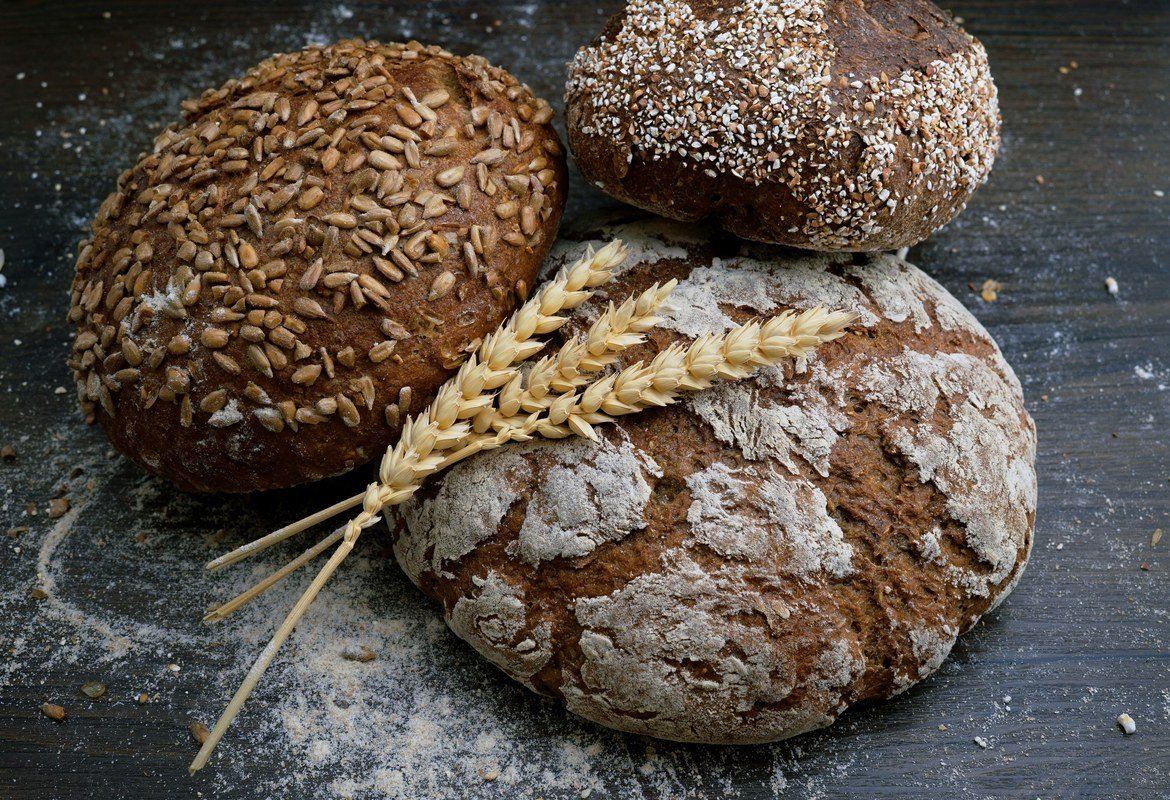
The Science and Craft of Artisan Sourdough: Wild Yeast Microbiology, Hydration Mathematics, and Flawless Crumb Architecture

In the expansive domain of culinary arts, few crafts evoke the same primal reverence as the creation of artisan sourdough bread. With a crisp, deeply caramelized blistered crust, an open, custard-like aerated crumb, and a complex, gently lactic acidity, a loaf of naturally leavened bread represents the pinnacle of baking craftsmanship. Yet, beneath its rustic simplicity lies an intricate, microscopic universe governed by microbial biochemistry, enzyme kinetics, and gluten rheology.

Unlike modern commercial bread—which relies on isolated industrial baker’s yeast (Saccharomyces cerevisiae) and synthetic chemical dough conditioners to force rapid, one-hour fermentation—authentic sourdough relies exclusively on three primordial ingredients: unbleached flour, pure water, and unrefined sea salt. In this comprehensive technical masterclass, we explore the microbiology of wild sourdough starters, master the mathematics of baker’s percentages, demystify hydration dynamics, and provide a clinical step-by-step baking protocol to produce bakery-grade loaves in any home kitchen.

1. The Microbiology of Sourdough: The Symbiotic Mother Culture

A sourdough starter (or levain) is not merely a leavening agent; it is a stable, living ecosystem comprising trillions of wild yeasts and lactic acid bacteria (LAB) existing in mutualistic symbiosis. This microscopic community is harvested naturally from the microorganisms inhabiting raw grain hulls and the ambient environment.

The Yeast-Bacteria Partnership

  • Lactic Acid Bacteria (LAB – Predominantly Fructilactobacillus sanfranciscensis): LAB outnumber yeasts in a mature starter by a ratio of approximately 100:1. These bacteria ferment simple sugars extracted from grain starches, producing two critical organic acids:
    • Lactic Acid: Imparts a gentle, rounded, creamy, yogurt-like richness to the dough.
    • Acetic Acid: Imparts a sharp, tangy, vinegar-like brightness that defines traditional sourdough character.
  • Wild Yeast (Kazachstania exigua and Candida humilis): Unlike industrial yeasts that perish in acidic environments, wild sourdough yeasts have evolved acid tolerance. Crucially, wild yeasts cannot metabolize maltose—the primary sugar liberated by grain amylase enzymes. Fructilactobacillus sanfranciscensis, however, thrives on maltose. In return, the bacteria release glucose, which the wild yeasts consume to produce carbon dioxide (CO2) gas, inflating the gluten network and creating oven spring.
Fermentation Attribute Commercial Yeasted Bread Artisan Natural Sourdough Biochemical & Health Impact
Fermentation Duration 45 to 90 Minutes 18 to 36 Hours (Cold Retardation) Enables comprehensive enzymatic pre-digestion of gluten proteins
Phytic Acid Degradation Minimal (~10% to 15%) Substantial (>90% degradation) Unlocks bioavailable zinc, iron, and magnesium absorption
Glycemic Index (GI) High (70 to 85) Significantly Lower (50 to 55) Organic acids slow gastric emptying and blunt postprandial glucose spikes
Digestibility Profile Frequently triggers bloating / GI discomfort Gentle on digestive tract; FODMAP breakdown Bacterial proteases break down complex fructans and proline bonds

2. The Mathematics of Bread: Baker’s Percentages

Professional bakers never measure ingredients using volumetric measuring cups or arbitrary spoons; volume measurements vary wildly based on flour settling, humidity, and packing density. Baking is a physical science measured exclusively by mass (grams) using Baker’s Percentages.

The Universal Baker’s Formula

In baker’s percentages, the total flour weight always represents 100%. Every other ingredient—water, starter, salt—is calculated and expressed as a direct mathematical ratio of that baseline flour weight:

  • Total Flour Blend (100%): 500g (e.g., 400g Bread Flour + 100g Whole Grain Rye)
  • Water / Hydration (75%): 375g
  • Active Mature Levain (20%): 100g
  • Fine Sea Salt (2%): 10g

Mastering baker’s percentages unlocks infinite scalability. Whether you are baking a single 500g boule on your weekend or producing eighty loaves for an artisanal farmers’ market, your hydration, inoculation, and salinity ratios remain mathematically identical.

3. Flours, Proteins, and Water Chemistry

The structural scaffolding of bread is gluten—a viscoelastic protein network formed when water hydrates two dormant grain proteins: gliadin (which provides extensibility and stretch) and glutenin (which provides elasticity and structural recoil).

Flour Selection Principles

  1. High-Protein Unbleached Bread Flour (12.5% to 13.5% Protein): The structural backbone of artisan bread. High protein content provides the tensile strength required to trap expanding gas bubbles and support high-hydration doughs without collapsing.
  2. Whole Grain Rye and Whole Wheat: Whole grain flours retain the bran (the hard outer shell) and germ (the nutrient-dense embryo). Whole rye contains abundant pentosan sugars and natural amylase enzymes that ignite explosive starter fermentation activity and infuse loaves with deep earthy aroma.
  3. Water Quality: Avoid municipal tap water treated with heavy chlorine or chloramines, which actively inhibit wild yeast activity. Use filtered, non-chlorinated water at room temperature (75°F to 78°F / 24°C to 26°C) to maintain predictable fermentation kinetics.

4. The Master Sourdough Protocol: Step-by-Step Execution

Phase 1: The Levain Build (Hour 0)

Take 20g of your mature mother starter and mix with 40g of water and 40g of whole grain flour blend (a 1:2:2 feeding ratio). Let it ferment in a warm spot (78°F) for 4 to 5 hours until it has tripled in volume, exhibits a domed bubbly surface, and passes the “float test” in water.

Phase 2: The Extended Autolyse (Hour 4)

Mix your 500g of flour with 350g of water (holding back 25g for later). Mix until no dry flour remains. Cover the bowl and let it rest undisturbed for 45 to 60 minutes. The autolyse initiates enzymatic starch breakdown and allows gluten proteins to hydrate fully before salt or acid inhibits enzymatic action, dramatically reducing required kneading effort.

Phase 3: Inoculation and Salt Integration (Hour 5)

Pour your 100g of active levain over the autolysed dough. Dimple the starter into the dough with your fingertips and fold the dough over itself for two minutes. Rest for 30 minutes. Next, sprinkle the 10g of fine sea salt alongside the reserved 25g of water over the dough. Incorporate using the “slap-and-fold” or rhythmic stretching technique until the dough transitions from slick and slippery to smooth, cohesive, and supple.

Phase 4: Bulk Fermentation and Structural Folds (Hours 5.5 to 9)

Place the dough in a transparent straight-sided container at 78°F. Execute four sets of “Stretch-and-Folds” spaced 30 minutes apart over the first two hours. To stretch and fold: with wet hands, reach beneath one quadrant of the dough, stretch it upward without tearing, and fold it over the center. Rotate the bowl 90 degrees and repeat across all four corners. Following the fourth fold, allow the dough to ferment undisturbed until it increases in volume by 50% to 65%, displays aerated bubbles along the transparent walls, and exhibits domed, pillowy edges.

Phase 5: Pre-Shaping, Bench Rest, and Final Shaping (Hour 9.5)

Gently tip the fermented dough onto an unfloured work surface. Using a metal bench scraper, shape the dough into a loose round boule by pulling it across the counter to build surface tension. Rest uncovered on the bench for 20 minutes (the bench rest). Dust the top with rice flour, flip the dough over, and execute a tight batard or boule final shape, pulling the outer skin taut without degassing the internal air pockets.

Phase 6: The Cold Retardation (Hours 10 to 24)

Place the shaped dough seam-side up into an oval wood-pulp banneton proofing basket dusted with non-gluten rice flour. Enclose the basket in a plastic bag and place it in the refrigerator at 38°F (3°C) for 14 to 18 hours. Cold retardation slows yeast activity to a near halt while allowing lactic acid bacteria to continue producing complex aromatic acids, while simultaneously firming up the dough for razor-sharp scoring.

Phase 7: Scoring and Baking in a Heavy Dutch Oven (Day 2)

Preheat a heavy cast-iron Dutch oven inside your home oven to 500°F (260°C) for a full 60 minutes. Turn the cold dough out of the banneton onto a sheet of parchment paper. Dust away excess flour. Using a surgical razor blade (a baker’s lame) held at a 30-degree angle, make a single, confident 1/4-inch deep longitudinal slash across the length of the loaf. Immediately transfer the loaf into the scorching Dutch oven, drop in two ice cubes beneath the parchment paper to generate intense steam, cover tightly with the lid, and return to the oven.

  • Lidded Steam Phase (20 Minutes at 450°F / 232°C): Steam delays crust formation, allowing the trapped gas bubbles to expand violently (oven spring) and peeling open a dramatic, jagged “ear”.
  • Unlidded Caramelization Phase (22 to 25 Minutes at 425°F / 218°C): Remove the heavy lid. Bake uncovered to allow the Maillard reaction and sugar caramelization to paint the crust in shades of deep mahogany, copper, and amber.
  • The Cooling Discipline: Remove the loaf to a wire cooling rack and wait a full two hours before slicing. Cutting into hot bread ruins the interior crumb, causing trapped steam to condense into gummy wetness. Allow retrogradation to complete at room temperature.

Frequently Asked Questions (FAQs)

Why is my sourdough loaf flat and dense without an open crumb?

Flat, dense loaves are almost always caused by either under-fermentation (ending bulk fermentation before the yeast has produced sufficient gas) or over-fermentation (letting fermentation run so long that bacterial acids dissolve the gluten matrix, causing the loaf to collapse under its own weight). Calibrate your bulk fermentation timing based on dough temperature and percentage volume rise rather than arbitrary clock time.

Why do bakers use rice flour to dust banneton baskets?

Rice flour is completely devoid of gluten. Unlike standard wheat flour—which absorbs water from the dough and creates a sticky gluten glue that clings to the basket—rice flour acts as a non-stick dry barrier, ensuring the cold dough slides effortlessly out of the proofing basket onto the baking surface.

How often do I need to feed my sourdough starter if I only bake once a week?

Store your mature starter in a sealed glass jar in the refrigerator. A cold starter only requires feeding once every 7 to 10 days. Simply take it out of the refrigerator 24 hours before baking, feed it at a 1:2:2 ratio, let it peak at room temperature, and build your levain.

Final Takeaway: The Alchemy of Time and Patience

Artisan sourdough baking is a masterclass in culinary patience and scientific intuition. By honoring the microscopic symbiosis of wild yeast and lactic bacteria, respecting baker’s percentages, cultivating dough strength through gentle structural manipulation, and harnessing the blistering heat of steam baking, you transform humble flour and water into an extraordinary, nourishing work of culinary art.

The Mediterranean Diet Decoded: Cardiovascular Science, Longevity Biomarkers, and an Authentic Regional Meal Framework

In a global nutritional landscape saturated with fleeting dietary fads, extreme elimination regimens, and hyper-processed commercial supplements, one dietary lifestyle has consistently withstood the rigorous scrutiny of clinical epidemiology and cardiovascular medicine: the traditional Mediterranean Diet. Characterized not by rigid deprivation or caloric restriction, but by an abundant celebration of unrefined plant foods, polyphenolic olive oils, wild-caught marine seafood, aromatic herbs, and communal dining rituals, this ancestral pattern has earned the title of the world’s most evidence-based nutritional lifestyle.

The Mediterranean lifestyle is not a temporary weight-loss crash diet; it is an integrated cultural and physiological ecosystem that systematically modulates chronic systemic inflammation, optimizes endothelial vascular health, stabilizes postprandial glucose dynamics, and fosters a diverse gut microbiome. In this comprehensive culinary masterclass, we explore the cellular biochemistry of the Mediterranean dietary pattern, dissect key longevity biomarkers, examine the culinary role of high-polyphenol extra virgin olive oil, and construct an authentic regional meal preparation framework.

1. The Landmark Clinical Evidence: From the Seven Countries Study to PREDIMED

The scientific exploration of the Mediterranean Diet originated in the mid-twentieth century with Dr. Ancel Keys’ landmark Seven Countries Study. Researchers observed that rural populations residing in Crete, southern Italy, and Greece experienced remarkably low incidences of coronary heart disease and exceptional longevity, despite consuming substantial amounts of total dietary fat.

The PREDIMED Clinical Trial

Modern validation culminated in the landmark PREDIMED Study (Prevención con Dieta Mediterránea), a massive randomized controlled primary prevention trial involving over 7,400 high-risk individuals tracked across nearly five years. The trial conclusively demonstrated that participants adhering to an unrestricted Mediterranean Diet supplemented with either extra virgin olive oil (EVOO) or mixed tree nuts experienced a 30% relative reduction in major adverse cardiovascular events (myocardial infarction, stroke, and cardiovascular mortality) compared to a control group prescribed a conventional low-fat diet.

Physiological Biomarker Conventional Western Diet Impact Mediterranean Dietary Impact Biochemical Mechanism
High-Sensitivity C-Reactive Protein (hs-CRP) Chronically elevated (>3.0 mg/L) Substantially suppressed (<1.0 mg/L) Downregulation of NF-kB inflammatory cascade via polyphenols
Endothelial Flow-Mediated Dilation (FMD) Impaired vascular reactivity; arterial stiffness Significantly enhanced vascular compliance Upregulation of endothelial nitric oxide synthase (eNOS)
Apolipoprotein B (ApoB) & LDL Oxidation High circulating small dense LDL particles Resistance to lipid peroxidation Antioxidant protection provided by oleocanthal and hydroxytyrosol
Gut Microbiome Alpha-Diversity Depleted bacterial diversity; low SCFA production Enriched Akkermansia & Faecalibacterium prausnitzii High dietary fiber and prebiotic resistant starch fermentation

2. Extra Virgin Olive Oil: The Liquid Gold of Polyphenol Biochemistry

Extra virgin olive oil (EVOO) is not merely a cooking fat; it is a complex bioactive pharmaceutical food. Unrefined EVOO consists predominantly of oleic acid—a monounsaturated omega-9 fatty acid—intertwined with a potent matrix of over thirty distinct phenolic compounds.

The Biochemical Power of Oleocanthal and Hydroxytyrosol

  • Oleocanthal (The Natural COX Inhibitor): Responsible for the distinctive peppery stinging sensation in the back of the throat when swallowing high-quality freshly pressed olive oil, oleocanthal is a natural non-steroidal anti-inflammatory compound. It inhibits cyclooxygenase enzymes (COX-1 and COX-2) in a manner chemically analogous to ibuprofen, providing micro-doses of natural anti-inflammatory protection with every meal.
  • Hydroxytyrosol (The Cellular Radical Scavenger): One of the most potent free radical scavengers identified in botanical biology. Hydroxytyrosol actively crosses the blood-brain barrier, shielding neuronal membranes from oxidative degradation and inhibiting the oxidation of low-density lipoproteins (LDL) within arterial walls.
  • Selecting Therapeutic-Grade EVOO: Commercial supermarket olive oils are frequently blended, heat-refined, or stripped of polyphenols. Look for bottles labeled with an explicit harvest date (harvested within the trailing 12 months), certified estate origins (e.g., Koroneiki olives from Greece, Picual from Spain), and stored exclusively in dark ultraviolet-blocking glass bottles or pressurized tins.

3. The Mediterranean Food Architecture: Deconstructing the Pyramid

Rather than obsessing over strict macronutrient grams, the traditional Mediterranean dietary pattern organizes food into a natural frequency hierarchy:

Tier 1: Daily Foundations (Every Single Meal)

Abundant seasonal vegetables (leafy wild greens, chicory, tomatoes, eggplant, zucchini, artichokes), whole unrefined grains (farro, barley, bulgur, whole oats), legumes (chickpeas, lentils, fava beans), raw nuts and seeds, aromatic herbs (rosemary, oregano, thyme, garlic), and generous drizzles of cold-pressed EVOO. Meat is virtually absent from this daily baseline, serving as an occasional condiment rather than the central focus of the plate.

Tier 2: High-Frequency Marine Proteins (2 to 3 Times Weekly)

Emphasis on small, oily, cold-water pelagic fish—wild sardines, anchovies, mackerel, and salmon. These marine species are exceptionally rich in long-chain omega-3 fatty acids (EPA and DHA), while possessing minimal bioaccumulation of heavy metal toxins due to their low trophic position in the aquatic food chain.

Tier 3: Moderate Dairy & Poultry (2 Times Weekly)

Traditional dairy consumption is largely confined to fermented cultured products: artisanal sheep and goat milk cheeses (feta, pecorino) and probiotic-rich whole-milk Greek yogurt. Pastured eggs and heritage poultry appear in modest portions.

Tier 4: Infrequent Indulgence (Occasional Monthly Consumption)

Red meats (beef, lamb, pork) and refined sweet pastries are reserved strictly for celebratory festivals, weddings, and communal holidays. When red meat is consumed, it is traditionally stewed for hours with root vegetables, tomatoes, and red wine, creating collagen-rich broths.

4. The Microbiome and Prebiotic Synergy: Cooking as Medicine

Modern nutritional science recognizes that human health is inextricably linked to the trillions of symbiotic microorganisms inhabiting the distal colon. The Mediterranean diet is essentially a feast engineered for microbial biodiversity.

The Power of “Sofregit” and Lipid-Phytochemical Synergy

A classic Mediterranean culinary foundation is the sofrito (or sofregit)—slowly simmering finely diced onions, garlic, and ripe tomatoes in a generous pool of extra virgin olive oil over low heat for forty-five minutes. This traditional cooking technique creates profound chemical synergy:

  1. Lycopene, the potent antioxidant carotenoid found in tomatoes, is fat-soluble and locked within tough cellular plant walls. Simmering in warm olive oil breaks the cellular matrix and increases lycopene bioavailability by over 400%.
  2. Allicin and organosulfur compounds from garlic and onions bind with olive oil polyphenols, forming novel bioactive metabolites that actively suppress gut dysbiosis and nourish butyrate-producing commensal bacteria.

5. An Authentic Weekly Regional Meal Framework

Integrating the Mediterranean diet into modern life does not require moving to an Aegean island. Adopt this practical, modular weekly template:

  • Breakfast: Sourdough toast rubbed with fresh garlic and crushed vine-ripened tomato, drizzled generously with EVOO, paired with two pasture-raised poached eggs and a cup of black coffee or mountain herbal tea.
  • Midday Lunch: Greek Horiatiki salad: crisp cucumbers, ripe heirloom tomatoes, kalamata olives, capers, thin red onions, a slice of sheep’s milk feta, dressed with unrefined EVOO and wild oregano, served alongside a warm bowl of braised lentils (Fakes).
  • Evening Dinner: Pan-roasted wild sardines or cod fillet crusted with fresh parsley, lemon zest, and crushed walnuts, served over a bed of warm farro and braised Mediterranean greens (Horta) tossed with lemon and sea salt.
  • Snacks & Dessert: A handful of raw Sicilian almonds and walnuts, fresh Mission figs, or whole-milk Greek yogurt swirled with raw thyme honey.

6. The Social Dimension: Commensality and Parasympathetic Digestion

One of the most widely ignored aspects of Mediterranean nutrition is commensality—the cultural practice of eating together at a communal table without digital distractions. In Mediterranean cultures, meals are not rushed transactions shoveled down at a desk while answering corporate emails.

When you sit with family and friends, engage in lively conversation, and savor your food, your body shifts into parasympathetic nervous system dominance (“rest and digest”). This stimulates salivary amylase, optimizes gastric hydrochloric acid secretion, coordinates pancreatic enzyme release, and prevents systemic indigestion. How you eat is just as consequential to health as what you eat.

7. The Chronobiology of Mediterranean Eating: Intermittent Fasting and Circadian Rhythms

Modern chronobiology—the scientific study of biological circadian rhythms—has revealed that when you eat is almost as consequential to metabolic health as what you eat. Traditional Mediterranean agrarian populations historically ate in close synchronization with the solar cycle.

The Circadian Metabolic Window

  • High Insulin Sensitivity in Early Hours: Human insulin sensitivity and pancreatic beta-cell responsiveness peak during the morning and midday hours, in alignment with natural cortisol rhythms. Consuming the majority of daily carbohydrates (whole grains, fruits, starchy legumes) during lunch allows glucose to be utilized immediately for cellular energy rather than partitioned into adipose tissue.
  • Light Evening Dining and Melatonin Secretion: In traditional Greek and Italian rural households, evening meals were light—often consisting of vegetable broths, wild greens, or small portions of fish. Heavy late-night caloric intake disrupts nocturnal melatonin secretion, impairs growth hormone release, and impairs overnight cellular autophagy. Eating within a consistent 10-to-12-hour daytime window naturally aligns with human metabolic circadian architecture.

Frequently Asked Questions (FAQs)

Can you cook with extra virgin olive oil, or does heat destroy it?

High-quality extra virgin olive oil is exceptionally stable for domestic cooking, sautéing, and pan-frying. Because EVOO consists of monounsaturated fatty acids (which lack the vulnerable double-bond structures of polyunsaturated seed oils) and is packed with natural antioxidants, it demonstrates remarkably high oxidative stability up to 410°F (210°C), far exceeding standard home cooking temperatures.

Is wine consumption mandatory on the Mediterranean diet?

No. While traditional Mediterranean populations consume modest amounts of dry red wine (one small glass alongside evening meals), it is completely optional. If you do not currently drink alcohol, there is no medical reason to start. The polyphenol benefits of red wine can be effortlessly obtained through dark berries, pomegranate seeds, red grapes, and green tea.

Is the Mediterranean diet expensive to maintain?

No. The true foundational pillars of the diet—dried chickpeas, brown lentils, canned wild sardines, seasonal root vegetables, onions, garlic, and whole grains—are among the most economical, budget-friendly pantry staples available in any global grocery store.

Final Assessment: A Timeless Blueprint for Vitality

The Mediterranean diet has endured for millennia because it aligns seamlessly with human evolutionary biology and culinary joy. By celebrating whole unrefined plant foods, honoring the therapeutic virtues of high-polyphenol olive oil, savoring wild marine seafood, and embracing the restorative ritual of communal dining, you cultivate lifelong cardiovascular vitality, metabolic resilience, and authentic longevity.