


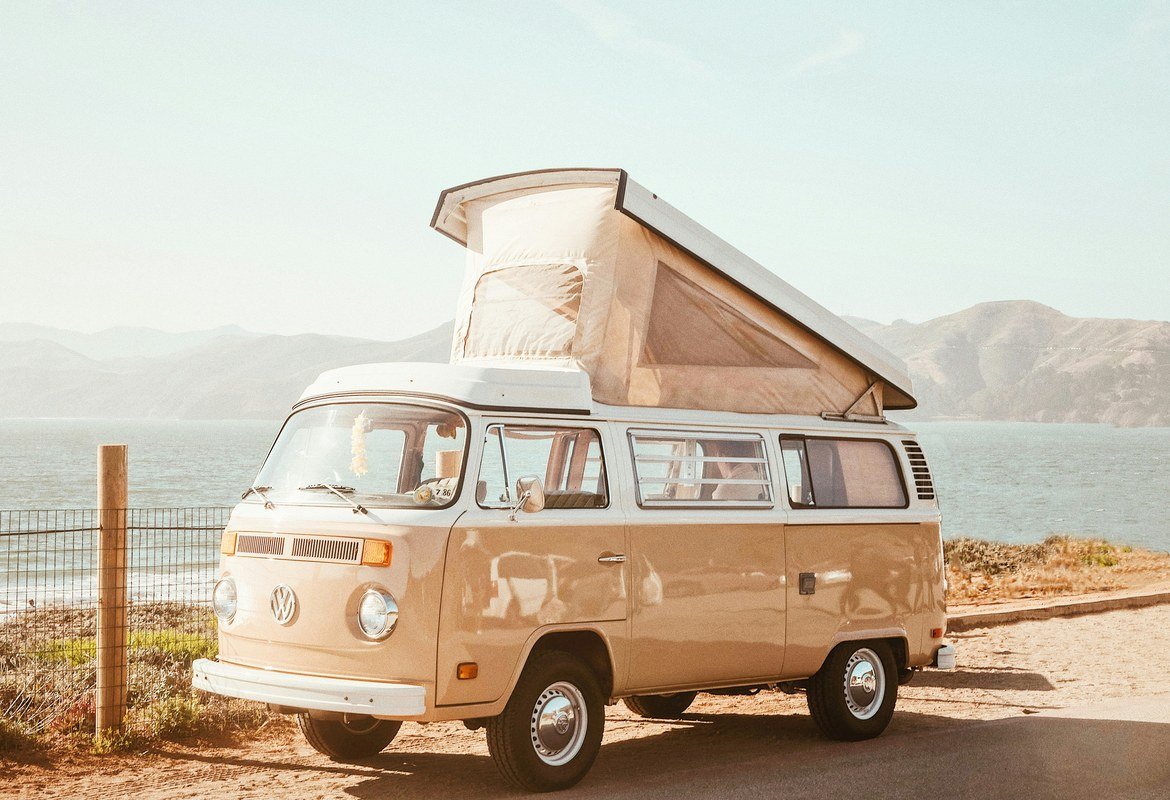
In an era defined by hyper-connectivity, urban density, and corporate burnout, the dream of total geographical autonomy has captured the collective imagination. Known universally as “Vanlife,” this overland movement represents far more than an Instagram aesthetic of sunset yoga poses out of rear doors; it is a sophisticated, self-reliant engineering discipline that combines off-grid electrical architecture, lightweight mechanical design, and rugged wilderness navigation.
Whether traversing the rugged coastal highways of the Pacific Northwest, navigating the dramatic mountain passes of the European Alps, or crossing the arid red expanses of the Australian Outback, an overland expedition campervan serves as both home and expedition vehicle. Yet executing an overland build that can endure weeks off the grid without shore power, municipal water, or cellular connectivity requires meticulous engineering. In this definitive overland manual, we break down vehicle platform selection, lithium battery and solar architecture, water management, thermal insulation, and off-grid stealth logistics.
1. Selecting the Expedition Vehicle Chassis
The foundation of any successful overland build is the vehicle platform. Choosing the right chassis dictates your payload capacity, interior living dimensions, mechanical reliability, and off-road capability.
Platform Comparison: Mercedes Sprinter, Ford Transit, and Ram ProMaster
| Vehicle Platform | Drivetrain Options | Payload & Reliability | Pros & Cons |
|---|---|---|---|
| Mercedes-Benz Sprinter | RWD, AWD, 4×4 (High / Low Range) | Exceptional build durability; 3,500–4,500 lbs payload | Pros: Superior 4×4 off-road clearance, diesel engine longevity. Cons: Expensive maintenance, sensitive DEF emissions systems. |
| Ford Transit | RWD, Intelligent AWD | Strong EcoBoost twin-turbo engine; 3,000–4,000 lbs payload | Pros: Widespread mechanics across North America, domestic parts affordability. Cons: Lower ground clearance than Sprinter, AWD system lacks low-range lock. |
| Ram ProMaster (Fiat Ducato) | FWD (Front-Wheel Drive) | Wide cargo box; 3,800 lbs payload | Pros: Widest interior allows sideways sleeping, lowest floor height. Cons: Poor off-road clearance, front-wheel drive struggles on steep gravel/ice. |
2. Off-Grid Electrical Engineering: Solar, Lithium, and Alternator Charging
The electrical heart of an off-grid campervan is a 12-volt or 24-volt direct current (DC) system powered by Lithium Iron Phosphate ($LiFePO_{4}$) battery chemistry. Compared to obsolete lead-acid or AGM batteries, $LiFePO_{4}$ batteries can be discharged to 95% of their total capacity without cell degradation, recharge at four times the speed, and weigh 60% less.
The Three Pillars of Energy Replenishment
A resilient overland electrical setup must never depend on a single power generation source. Implement the “Rule of Three”:
- Rooftop Solar Array (Photovoltaics): Mount 300 to 600 watts of monocrystalline solar panels on the roof rack. Route them through a Maximum Power Point Tracking (MPPT) solar charge controller to maximize solar conversion efficiency even under cloudy alpine skies.
- DC-to-DC Alternator Charging: While driving, a smart DC-to-DC charger (such as a 30A or 50A Victron Orion-Tr Smart) draws surplus mechanical energy from the vehicle’s engine alternator, fully charging your lithium house battery bank during transit between wilderness trailheads.
- Shore Power (AC Charger / Inverter): An integrated inverter/charger (e.g., Victron MultiPlus 2000W–3000W) allows seamless plug-in at campgrounds or domestic garages while converting 12V battery power into 110V/230V pure sine-wave AC power to run induction cooktops, laptops, and power tools.
3. Thermal Engineering and Climate Control
A metal cargo van is essentially a tin can on wheels. Without thermal insulation, it rapidly becomes an oven in direct summer sun and a freezing refrigerator in sub-zero winter temperatures. Maintaining interior climate requires a comprehensive thermodynamic approach.
Insulation Materials: 3M Thinsulate vs Spray Foam
Avoid cheap fiberglass batting, which absorbs airborne moisture and causes hidden rust behind wall panels. 3M Thinsulate (SM600L) is the industry gold standard: hydrophobic (repels water), non-toxic, highly sound-dampening, and simple to compress into intricate chassis wall ribs. Combine this with a sound-deadening butyl layer (such as Noico or Dynamat) adhered directly to bare sheet metal to eliminate road vibration.
Heating and Ventilation Solutions
- Active Airflow: Install a high-powered 12V roof fan (such as a MaxxFan Deluxe) equipped with an integrated rain cover. Running the roof fan in exhaust mode while cracking a lower window creates continuous negative-pressure air circulation, preventing moisture condensation build-up from human exhalation.
- Dry Fuel Heating: For sub-zero winter camping, install a diesel-fired or gasoline-fired forced air heater (such as an Espar Airtronic or Webasto Airtop) tapped directly into the vehicle’s auxiliary fuel port. Unlike propane heaters, dry diesel heaters vent all moisture and exhaust combustion fumes safely out beneath the vehicle chassis.
4. Water Infrastructure and Sanitation Systems
Carrying adequate fresh water and managing wastewater is vital for autonomous wilderness living. A baseline design philosophy is the “Clean-Dirty Separation.”
Fresh and Grey Water Architecture
Install a 25-to-35-gallon (100–130 liter) food-grade polyethylene freshwater tank mounted over the rear wheel wells inside the insulated van living space to prevent winter freezing. Pair this with a 12V on-demand diaphragm water pump (e.g., Shurflo 3.0 GPM), a small accumulator tank to prevent pump cycling, and a 0.5-micron carbon-block drinking water filtration tap at the galley sink. Grey water from the sink drain can be routed into an under-mount chassis grey tank equipped with a 12V electric dump valve.
Sanitation: The Composting Toilet Revolution
Traditional black-water chemical RV toilets require frequent, foul dump-station servicing. Modern overland builds rely on urine-diverting composting toilets (such as Cuddy, Nature’s Head, or OGO). By separating liquid urine from solid organic matter, anaerobic bacterial breakdown is prevented, eliminating 95% of bathroom odors. Liquid waste is emptied easily into public restrooms, while solid desiccated coconut-coir waste can be disposed of responsibly in standard trash bags.
5. Stealth Camping, Public Lands, and Leave No Trace
True overland freedom relies on the respectful, lawful use of public wilderness lands. In North America, vast networks of Bureau of Land Management (BLM) lands and US Forest Service (USFS) areas permit free, dispersed camping for up to 14 consecutive days. In Europe, countries like Norway, Sweden, and Scotland permit wild camping under the ancient legal doctrine of Everyman’s Right (Allemansrätten).
The Etiquette of Dispersed Camping
- Never park or camp on pristine vegetation; utilize established dispersed campsites with existing fire rings.
- Pack out every trace of trash, food waste, and toilet paper. Never dispose of grey water containing toxic soaps into fragile alpine streams or desert washes.
- Respect quiet hours and keep exterior light pollution to a minimum to preserve the wilderness serenity for fellow campers and native wildlife.
6. The Daily Electrical Watt-Hour Audit and Sub-Zero Lithium Care
Designing a bulletproof off-grid electrical system requires calculating your exact daily energy consumption through a granular Watt-Hour (Wh) Audit. Simply guessing battery capacity results in either costly over-engineering or premature electrical blackouts deep in the backcountry. Below is an engineering baseline calculation for a professional remote-work overland setup:
| Electrical Appliance | Power Draw (Watts) | Daily Operational Hours | Total Daily Consumption |
|---|---|---|---|
| 12V Compressor Fridge (45L) | 40W (at 30% duty cycle) | 24 Hours | ~288 Wh / Day |
| Starlink Roam (Phased Array) | 45W – 60W | 6 Hours | ~300 Wh / Day |
| Dual Laptop Workstation | 65W via USB-C PD | 8 Hours | ~520 Wh / Day |
| LED Puck Lighting & Roof Fan | 20W combined | 6 Hours | ~120 Wh / Day |
| Induction Galley Cooktop | 1,400W | 0.5 Hours (30 mins) | ~700 Wh / Day |
| Total Estimated Daily Draw: | — | — | ~1,928 Wh (~160 Ah at 12V) |
To safely sustain this 160 Ah daily demand across two cloudy days without driving or solar generation, a battery bank of at least 300 to 400 Ah of $LiFePO_{4}$ is required. Furthermore, overland travelers venturing into alpine winter conditions must install batteries equipped with internal heating pads. While Lithium Iron Phosphate cells can discharge safely down to -20°C, charging them below 0°C (32°F) causes permanent lithium plating on the graphite anode, permanently destroying cell capacity and creating catastrophic fire hazards.
Frequently Asked Questions (FAQs)
How much does it cost to convert a van into an off-grid campervan?
Conversion costs vary dramatically depending on whether you complete the build yourself (DIY) or hire a custom coachbuilding firm. A functional, high-quality DIY conversion typically costs between $15,000 and $30,000 USD in materials (electrical system, insulation, cabinetry, plumbing). Professional turn-key conversions generally range from $60,000 to over $150,000 USD, excluding the initial purchase price of the base vehicle.
How do you receive high-speed internet while working remotely in the wild?
The advent of Starlink Roam (SpaceX satellite internet) has revolutionized off-grid vanlife. Utilizing a compact phased-array dish mounted flat to the van roof or deployed on a tripod, remote professionals can achieve download speeds of 50 to 150 Mbps anywhere on Earth with an unobstructed view of the sky, supported by backup multi-carrier cellular routers (such as Peplink).
How do you stay safe when sleeping in unknown locations?
Safety begins with situational awareness. Trust your intuition: if an overnight parking location feels unsafe or sketchy, pack up immediately and relocate. Always keep the driver’s seat clear of luggage and clutter, facing toward the exit route, with keys readily accessible on a magnetic mount by your bed for immediate departure if necessary.
Can you legally live full-time in a campervan?
Yes. Full-time van living is legal across most jurisdictions, provided you maintain a legal residential domicile address (often established through mail-forwarding services in tax-friendly states like South Dakota or Florida in the US) for vehicle registration, driver’s licensing, voting, and banking purposes.
Final Assessment: The Art of Intentional Living
Vanlife strips away the accumulated non-essentials of modern consumer existence, replacing material clutter with open horizons, alpine dawns, and starry desert skies. By mastering the engineering mechanics of off-grid self-reliance, you transform an ordinary vehicle into a boundless vessel for adventure, simplicity, and true personal freedom.